

Every community association in Florida (whether a single-building condominium, a sprawling master HOA, or a townhome cluster) runs on assessments. They pay for the landscaping, the insurance, the elevator service contract, the reserves you’ll need when the roof finally gives. And every year, a few owners stop paying.
Most boards we work with want to be reasonable. They don’t want to “go nuclear” the moment a check is late. But they also can’t carry delinquent owners forever. Florida law puts a fiduciary duty on directors to collect what’s owed, and the longer a balance sits, the harder it gets to recover.
This guide walks you through the collection process the way we walk our own clients through it: a clear timeline, the legal mechanics behind each step, and a candid look at the moves that actually move the needle versus the ones that just rack up costs.
The 30,000-foot view
Before we get into the mechanics, here’s the shape of the road from late payment to recovery:
- Internal grace. The association notices the missed payment and (usually) sends a friendly reminder.
- Statutory notices. Florida requires specific written notices before any lien can be recorded.
- Lien recording. A Claim of Lien is filed in the public records of the county where the unit/lot sits.
- Foreclosure. If the lien isn’t satisfied, the association can sue to foreclose the lien, the same way a mortgage lender forecloses a mortgage.
- Sale & recovery. The property is sold at a clerk’s foreclosure sale. The association recovers from the proceeds.
It looks linear. In practice, owners cure at almost every step, and that’s the point. The process is designed to give the owner repeated, escalating opportunities to pay, while protecting the association’s right to ultimately collect.

Start with the ledger, always
If we’ve learned anything in 13 years of community-association practice, it’s that the ledger is the lawsuit. Before you send a single demand letter, before you authorize a single dollar in legal fees, the ledger needs to be clean.
What “clean” means in practice:
- Every charge has a date, an amount, and a description that ties to a board action or a recorded covenant (e.g., “Q2 2026 quarterly assessment per recorded budget”).
- Every payment is applied in the order required by Florida statute, and that order is not what most accounting software does by default.
- Late fees and interest are charged at the rate (and only at the rate) authorized by the governing documents and by statute.
The single most common reason we lose a fight is that the ledger has an unexplained $42.50 line item from 2023 that the owner used as the wedge to attack everything that came after it. Don’t give them the wedge.
The pre-lien notice sequence
Florida is a “notice state” for assessment collections. You can’t just record a lien and head to court. The statutes require a specific written-notice sequence, and the owner has statutory windows to cure at each step.
HOA collections (Chapter 720)
For an HOA, the sequence looks like this:
- 45-day Notice of Intent to Lien. Sent by certified mail and first class mail to the owner’s last-known address. Tells the owner the amount due, that a lien will be recorded if not paid in 45 days, and includes the statutory cure language.
- Claim of Lien recorded. Once the 45 days expire without payment.
- 45-day Notice of Intent to Foreclose. Required after the lien is recorded but before suit can be filed.
Condominium collections (Chapter 718)
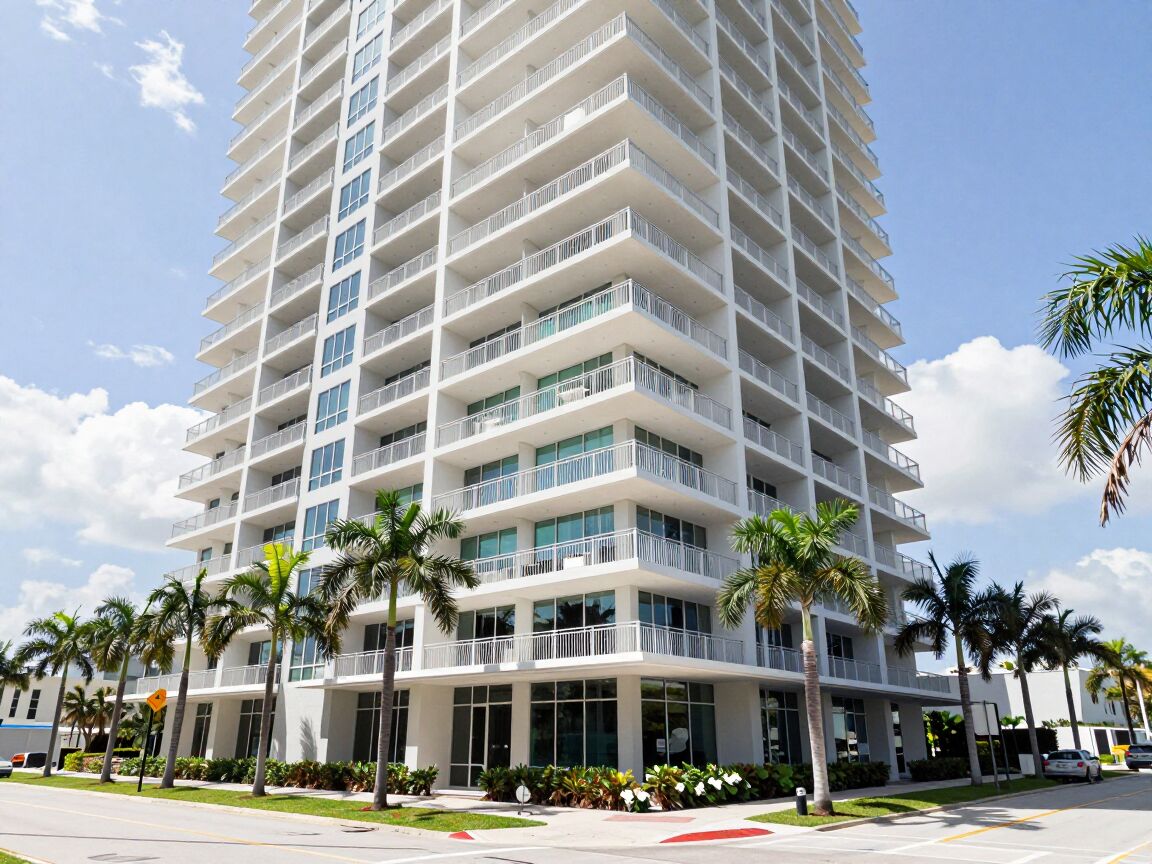
For a condominium, the sequence is similar but with one important wrinkle: a 30-day Notice of Late Assessment is required before the 45-day Notice of Intent to Lien. So the front of the timeline is longer for condos than HOAs by about a month.
Anatomy of a delinquency
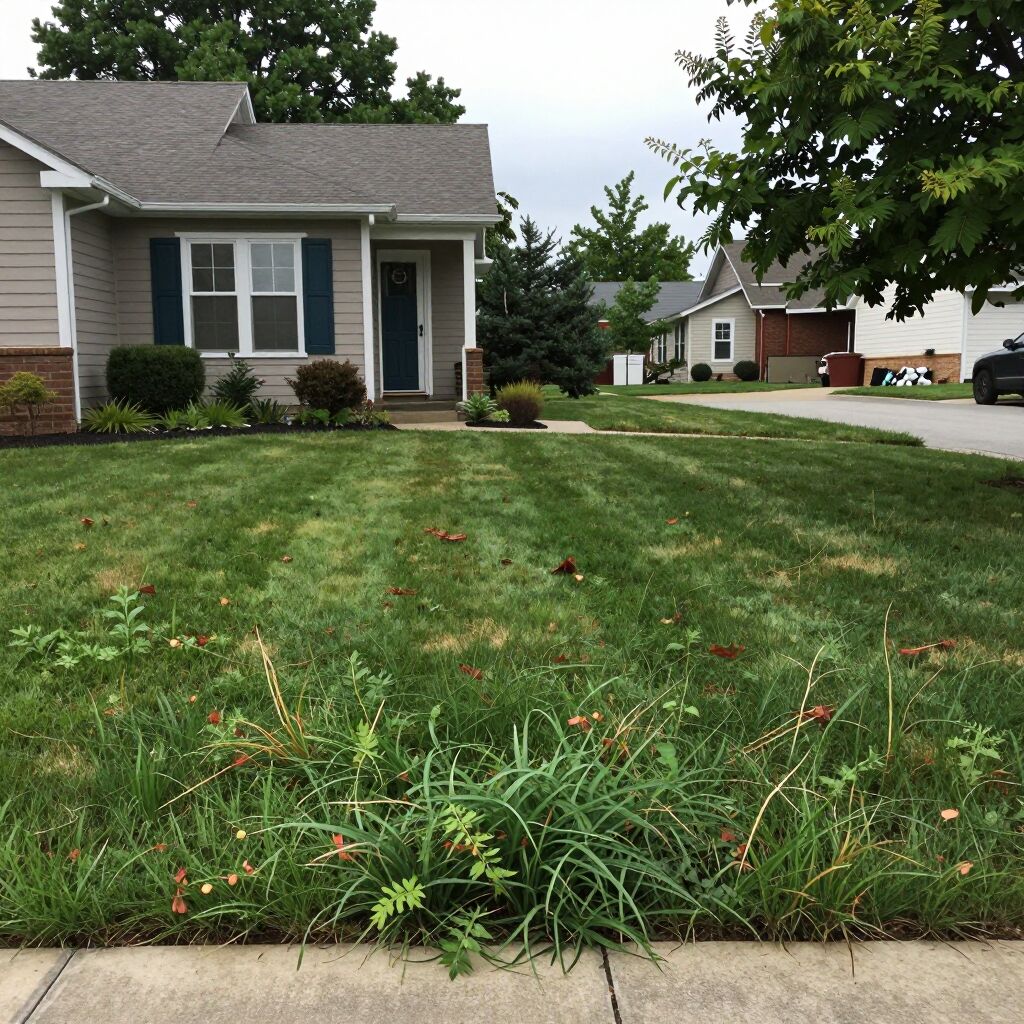
Owners stop paying for a thousand reasons, but the patterns are pretty consistent. After thousands of files, the warning signs we look for are:
 Mail returns
 Property neglect
 Multiple owners
 Senior lien
 Vacant / rented
 Repeat 'just one more month'
When a file shows three or more of these markers, statistically the cure rate after a soft demand drops below 20%. That’s the signal to move directly to the statutory notices and start the lien clock.
Costs and recovery: the part most boards get wrong
Here’s a question we get from almost every board treasurer: “Why did we just spend $1,800 in legal fees to collect $640 in assessments?”
The answer, almost always, is that the legal fees are recoverable from the delinquent owner (not paid by the association out of pocket), provided the file is handled correctly. Florida law lets the association add reasonable attorney’s fees and costs to the lien, and the owner has to pay those to redeem.
A typical recoverable cost stack on a single-family HOA file looks like this:
| Item | Typical Amount |
|---|---|
| Pre-lien demand letter (flat fee) | $150 to $250 |
| Title search | $75 to $150 |
| Claim of Lien preparation & recording | $200 to $400 |
| Pre-foreclosure demand (flat fee) | $150 to $250 |
| Foreclosure complaint, summons, service | $400 to $1,200 |
| Lis pendens recording | $10 to $20 |
| Final judgment & foreclosure sale | $300 to $800 |
Different firms structure their fees differently: some flat-fee everything, some bill hourly, most do a hybrid. What matters is that the costs accrue to the unit, not to the association, and a properly-handled file will recover those costs in full when the owner cures, when a third party buys at sale, or when the association takes title.

When foreclosure makes sense (and when it doesn’t)
Foreclosure is the loudest tool in the kit, and a lot of boards over-rotate on it. It’s expensive to start, slow to finish (12 to 18 months in most Florida circuits, longer in Orange and Osceola right now), and only useful when the property has equity for the association to capture.
A few hard rules we apply when deciding whether to foreclose:
- Senior mortgage check first: if the first mortgage is significantly underwater or in active foreclosure, the HOA’s lien is wiped out at the senior sale. Don’t spend money chasing a junior position that’s about to evaporate.
- Equity matters: even if there’s a senior mortgage, equity above the mortgage means the association recovers in full. Pull a quick BPO before you authorize suit.
- Owner cooperation matters too: an owner who is communicating, even badly, is usually a better candidate for a payment plan than a lawsuit. Owners who go silent are the ones we move on first.
- Vacancy is leverage: a vacant property is faster, cheaper, and lower-risk to foreclose. An occupied home where the owner is fighting back will cost two to three times more in legal fees and take longer.
Foreclosure isn’t about the money owed today. It’s about putting the association in a position where the owner has to deal with it: by paying, by selling, or by handing over the keys.
The payment plan playbook
The vast majority of files we open never see a courtroom. They settle into payment plans. A workable plan has five components:
- A real principal balance. Not “what we’ll forgive if you pay.”
- A defined term, ideally 6 to 12 months. Plans longer than 18 months almost always break.
- A monthly payment that covers the new assessment plus a meaningful catch-up amount. “Just the regular assessment plus $25” is not a plan; it’s a way to fall further behind.
- A default clause that accelerates the full balance and waives further notice if a single payment is missed by more than 10 days.
- The board’s signed authorization, not just the manager’s. Plans that exceed the manager’s authority and don’t go to the board are unenforceable when the owner challenges them later.
What changes in 2026 (and what doesn’t)
Florida’s community-association statutes get amended almost every legislative session, and 2026 is no different. Without diving into the full session summary, here are the changes most relevant to assessment collections that boards should be aware of:
- The pre-lien notice form has been refined again. Make sure you’re using the most current statutory language.
- Hurricane-related deferrals now have specific reinstatement procedures; informal “let’s just pause” arrangements during a state of emergency are riskier than they look.
- Costs and fee award procedures in residential foreclosure cases have tightened. Your firm should be running redacted invoices on all fee motions to avoid waiver objections.
What hasn’t changed: the core sequence. Notice, lien, notice, foreclose. Master that, document it cleanly, and the rest of the law is just commentary.
Closing
The single biggest lever a board has to control its delinquency rate isn’t legal; it’s procedural. Associations that send their first statutory notice on day 31 every time, without exception, recover faster, more often, and with less drama than associations that try to “be human about it” for an extra 30, 60, 90 days.
You can be human about it later, when you sit down at a settlement conference and forgive a couple of fees in exchange for a payment plan. But the clock starts on day 31. That’s not legal advice; that’s just what the math says.
If you’re a board member, manager, or counsel staring at a delinquency that doesn’t fit into one of the patterns above, reach out to our team. The first call is on us.